Easter Egg Basket Silhouette: A Designer’s Review
As an embroidery designer who has spent years digitizing patterns and testing them on everything from stiff canvas to slippery satin, I approach every new machine embroidery design with a critical eye. It is not just about whether the image looks cute on a screen; it is about how those lines translate into thread, how the tension holds up after washing, and whether the final finished product feels professional enough to sell. Recently, I evaluated the Easter Egg Basket Silhouette Icon, a graphic asset that bridges the gap between digital illustration and tangible craft. Here is my practical assessment of how this design performs in real-world scenarios.
First Impressions and Visual Personality
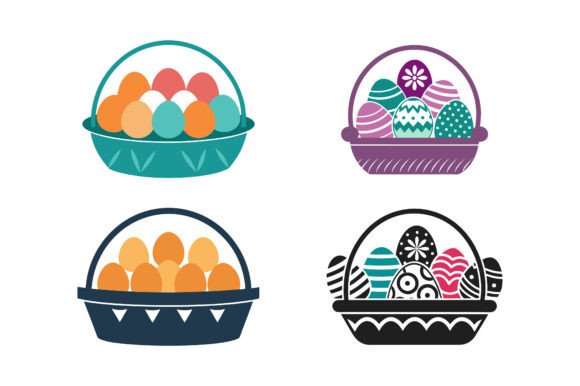
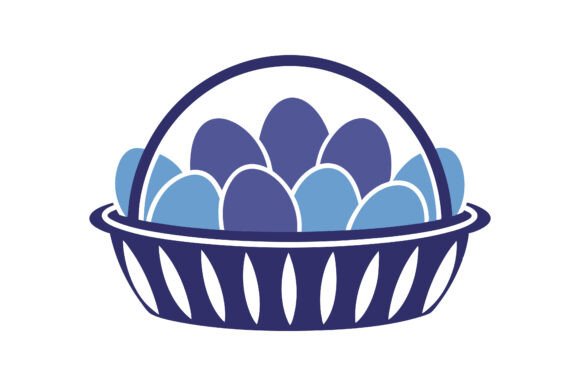
The first thing that strikes you about the Easter Egg Basket Silhouette Icon is its clarity. In the world of embroidery, complexity is often the enemy of quality. This design relies on strong, recognizable shapes rather than intricate, fragile details. The silhouette style creates a bold visual statement that reads well from a distance, which is crucial for items like tote bags or sweatshirts where the design needs to pop against the fabric texture.
The mood is undeniably festive yet understated. It avoids the chaotic clutter often found in holiday graphics, opting instead for a clean, modern aesthetic. This makes it versatile. It does not scream "cheap novelty"; rather, it suggests a curated, boutique feel. For an Etsy seller or a small shop owner, this visual personality is valuable because it appeals to customers looking for timeless decor rather than trend-chasing kitsch. The layout is balanced, ensuring that the weight of the basket and the eggs feels grounded, which simplifies the stitching process significantly.
Real-World Application: The Tote Bag Test
To truly understand the value of this embroidery file, I mentally placed it into a common commercial project: a custom canvas tote bag. Canvas is a popular choice for spring merchandise, but its weave can be challenging for detailed designs. Because the Easter Egg Basket Silhouette Icon utilizes solid shapes, it performs exceptionally well here. The design does not get lost in the texture of the fabric.
Imagine stitching this onto a natural cotton tote. Using a contrasting thread color, such as a deep pastel blue or a vibrant spring green against the beige canvas, the silhouette stands out sharply. The lack of tiny, isolated stitches means there is less risk of thread breakage or puckering, which is a common headache when producing bulk orders for a craft business. This reliability translates directly to customer trust. When a buyer receives a bag where the embroidery lies flat and looks crisp, they perceive higher value. This design supports that perception by minimizing technical risks during production.
Versatility Across Product Lines
Beyond tote bags, this graphic adapts well to various custom apparel and home goods. For sweatshirt embroidery, the silhouette works beautifully on the chest or sleeve. Since sweatshirt fleece is thick, a design with clear boundaries prevents the "muddy" look that occurs when fine details sink into the pile. Similarly, for baby embroidery projects like onesies or burp cloths, the simple shape is gentle and appealing without being overly busy. Parents often prefer cleaner designs that are easy to care for, and a silhouette typically requires less dense stitching, keeping the garment softer against sensitive skin.
For those creating embroidered patches, this icon is ideal. Patches require designs that hold their shape when cut out. The continuous nature of a silhouette ensures that the edges remain defined, making the patch look professional whether it is ironed onto a jacket or sewn onto a backpack. Even in the realm of Print Materials Mockups and Graphics, this design serves as a strong central element for book covers or flyers, proving its utility extends beyond just needle and thread.
Technical Considerations and Limitations
While the design is robust, no digital embroidery file is universal. There are specific scenarios where you must exercise caution. If you plan to use this on stretchy fabrics like jersey knits, proper stabilization is non-negotiable. The solid areas of the silhouette can pull on lightweight fabrics if not backed correctly. I always recommend using a cut-away stabilizer for garments that will be washed frequently, ensuring the design retains its shape over time.
Another consideration is hoop size. While the silhouette is scalable, shrinking it too much for a small hoop, such as on a cap or a child’s sock, can cause the details of the eggs within the basket to merge. Always test the design at your intended size on scrap fabric first. Check the stitch density in your software. If the original graphic was not digitized with embroidery in mind, you may need to adjust the underlay or reduce the fill stitch density to prevent perforation of delicate fabrics like silk or thin cotton.
Dark fabrics present another challenge. A silhouette relies on contrast. If you are stitching a dark thread on a dark shirt, the design will vanish. In these cases, consider using a lighter thread or incorporating an applique design technique where a piece of contrasting fabric is placed under the stitch outline. This adds texture and ensures visibility regardless of the garment color.
Enhancing Brand Consistency and Value
For creative entrepreneurs, consistency is key to building a recognizable brand. The Easter Egg Basket Silhouette Icon offers a cohesive look that can be repeated across different products. Whether used on kitchen towels, pillow covers, or as part of a larger holiday embroidery collection, the consistent visual language helps customers identify your work. This recognition drives buyer engagement and repeat business.
Moreover, the professionalism of the final output affects your pricing power. A clean, well-executed silhouette looks intentional and high-end. It allows you to position your handmade product as a premium item rather than a generic craft. When customers see a design that is perfectly centered, with even tension and no loose threads, they are more likely to recommend your shop to others. This word-of-mouth marketing is invaluable for small business growth.
Practical Designer Notes for Best Results
- Test on Scrap Fabric: Never stitch directly on your final product without a test run. Check for puckering and thread breaks.
- Check Thread Contrast: Ensure your thread colors stand out against the fabric background. Use a black-and-white mockup to verify value contrast.
- Review Stitch Density: Adjust density based on fabric weight. Lower density for thin fabrics, higher for heavy canvases.
- Confirm Hoop Size: Ensure the design fits comfortably within your hoop with adequate margin for stabilization.
- Inspect Small Details: Zoom in to check that the eggs inside the basket do not merge into a single blob at smaller sizes.
- Use Proper Stabilizer: Match the stabilizer type to the fabric. Cut-away for knits, tear-away for wovens.
- Verify Licensing: Before selling finished items or digital products, confirm the license terms associated with the design assets.
In conclusion, the Easter Egg Basket Silhouette Icon is a practical, versatile addition to any designer’s library. It balances aesthetic appeal with technical feasibility, making it suitable for a wide range of commercial embroidery projects. By understanding its strengths and respecting its limitations, you can create stunning, high-quality items that delight customers and elevate your brand. Whether you are a hobbyist making personalized gifts or a professional managing a busy small shop product line, this design offers the reliability and charm needed for successful spring collections.