Reviewing Minimal Hexagon Geometric Logo2 for Embroidery
As a designer who spends half my life staring at digitized files and the other half pulling bobbins out of tangled messes, I have learned to be skeptical of "minimalist" claims. In the world of machine embroidery design, minimal often translates to "too simple to hold tension" or "so sparse it looks like a mistake." However, when I loaded Minimal Hexagon Geometric Logo2 into my software to evaluate it for an upcoming client project, my initial skepticism quickly turned into appreciation for its structural integrity.
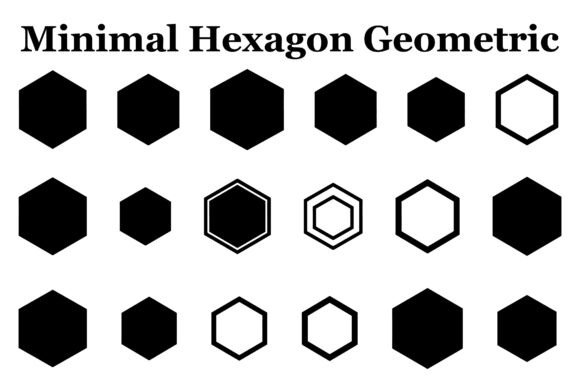
This piece is part of a larger collection categorized under Icons and Graphics, specifically marketed as a bundle of twenty minimalist hexagonal silhouettes. But let’s move past the marketing copy and talk about how this specific design behaves on fabric. I recently used this logo for a custom order involving branded tote bags for a local tech startup. The client wanted something modern, sharp, and scalable. Here is my honest assessment of how Minimal Hexagon Geometric Logo2 performs in real-world embroidery scenarios.
First Impressions: Structure Meets Simplicity
The first thing you notice about Minimal Hexagon Geometric Logo2 is its clean geometry. In digital format, it looks crisp. But does that translate to thread? Yes, provided you understand the nature of the lines. The design relies on strong, linear boundaries that define the hexagonal shape without unnecessary internal clutter. This lack of noise is a blessing for embroidery because it reduces the risk of thread breaks and bird-nesting during high-speed stitching.
The mood it creates is professional and contemporary. It does not scream for attention with flashy fills or complex gradients. Instead, it offers a quiet confidence that works exceptionally well for corporate branding or modern boutique aesthetics. When I zoomed in on the digitizing, I looked for potential pitfalls: sharp corners that might bunch up, or long runs that could sag. The digitizer has done a solid job here, likely utilizing a combination of running stitch for outlines and potentially light fill stitch work if any solid variations are selected from the bundle. For the specific Logo2 variant, the emphasis is on the silhouette, making it versatile for various applications.
Real-World Application: The Tote Bag Test
To test its viability, I applied Minimal Hexagon Geometric Logo2 to a heavy canvas tote bag design. This is a common request for Etsy sellers and craft business owners who need durable, washable merchandise. Canvas is forgiving, but it can be tricky with geometric shapes if the fabric shifts.
I hooped the fabric with a medium-weight cut-away stabilizer. The result was impressive. The hexagon held its shape perfectly. Because the design is essentially a geometric icon, it does not suffer from the distortion that plagues more organic, curved designs. On the finished product, the logo looked intentional and high-end. It did not look like a cheap iron-on transfer; it had the texture and depth of true embroidery. This level of quality builds customer trust. When a buyer sees clean lines on a handmade product, they perceive higher value.
Beyond tote bags, I can see this design working beautifully on sweatshirt embroidery. The clean lines contrast nicely against the fuzzy texture of fleece or French terry. However, for custom apparel like t-shirts, you must be cautious. If the hexagon is too small, the gaps between stitches might reveal the shirt color underneath in an unintended way. I recommend testing different thread colors to ensure sufficient contrast against the garment.
Navigating Fabric and Hoop Constraints
While Minimal Hexagon Geometric Logo2 is versatile, it is not magic. There are specific scenarios where you need to proceed with caution. If you are working with stretchy fabrics, such as jersey knits for baby clothes, the rigid geometry of a hexagon can warp if not stabilized correctly. A hexagon that becomes an oval due to fabric pull looks unprofessional. Always use a hoop size that accommodates the design with ample room for stabilization, and consider using a tear-away stabilizer for lighter fabrics to prevent stiffness.
Another critical consideration is scale. Geometric designs live and die by their precision. If you shrink Minimal Hexagon Geometric Logo2 too much for a small embroidered patch or a cap front, the corners may lose their sharpness. The digitizing needs enough stitch density to maintain the angle. If you are unsure about the minimum viable size, check the technical specifications of the digital embroidery file. If those details are not explicitly provided in the product description, always stitch out a test on scrap fabric before committing to the final finished product.
Dark fabrics present another challenge. If you are stitching a light-colored hexagon on black fabric, ensure your underlay stitches are sufficient to prevent the background from showing through the top stitches. This is particularly important for maintaining the "clean, sharp" aesthetic promised by the design. A messy underlay will ruin the minimalist vibe.
Commercial Viability and Brand Consistency
For commercial embroidery projects, consistency is key. One of the strengths of this bundle is that it offers a cohesive visual language. If you are creating a line of products for a small shop, using Minimal Hexagon Geometric Logo2 across different items—aprons, pillow covers, kitchen towels—creates a recognizable brand identity. Customers appreciate this cohesion. It signals professionalism.
Furthermore, this design is excellent for printable mockup creation. Because the shape is distinct and simple, it renders well in digital previews. This helps small shop product listings look attractive online, driving buyer engagement before the item is even stitched. For holiday embroidery or gift items, the geometric nature allows it to feel modern rather than traditional, appealing to a younger demographic looking for personalized gift options that do not feel dated.
Practical Designer Notes for Best Results
To get the most out of Minimal Hexagon Geometric Logo2, keep these practical tips in mind:
- Test on Scrap First: Never skip this step. Check how the corners stitch out on your specific machine.
- Check Thread Contrast: Minimalist designs rely on contrast. Ensure your thread color stands out against the fabric texture.
- Review Stitch Density: If the design feels too light, you may need to adjust your machine tension or add a backing stabilizer.
- Confirm Licensing: Before selling items made with this design assets bundle, verify the license terms. Most commercial bundles allow physical sales, but digital resale is usually prohibited.
- Inspect Small Details: Zoom in on your software. Look for any unnecessary jump stitches that could be trimmed to speed up production.
In conclusion, Minimal Hexagon Geometric Logo2 is a reliable, professional-grade asset for any embroidery designer’s library. It bridges the gap between digital simplicity and tactile quality. Whether you are an Etsy seller looking to expand your catalog or a hobbyist making gifts, this design offers the clarity and modern appeal that today’s market demands. Just remember: the success of any embroidery project lies not just in the file, but in the preparation, stabilization, and execution. Treat this geometric icon with respect, and it will elevate your branding effortlessly.